
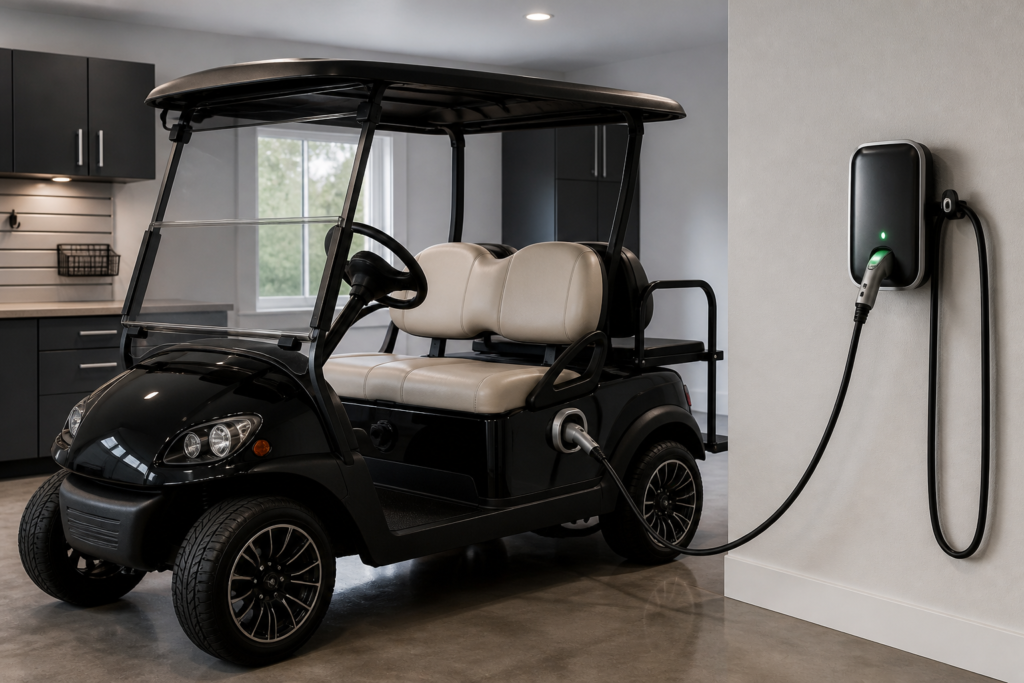
Electric Golf Cart Charging is a critical aspect of ownership, especially for residents in Phoenix, Arizona. The desert climate presents unique challenges that can impact battery health and overall cart performance. Understanding proper charging techniques is not just about convenience; it is about extending the lifespan of your investment and ensuring your golf cart is always ready for the next round or neighborhood cruise.
This comprehensive guide will equip Phoenix golf cart owners with the essential knowledge and practical tips needed to master their cart’s power system. We will delve into optimal charging schedules, the right equipment, crucial safety measures, and effective troubleshooting. By adopting these authoritative strategies, you can significantly enhance your golf cart’s battery longevity and reliability, even in the demanding Arizona heat.
Key Takeaways
- Understand the critical role of consistent and correct Electric Golf Cart Charging in extending battery life and performance.
- Learn to identify the best charging practices and equipment specifically suited for the unique environmental conditions in Phoenix.
- Discover essential safety protocols to follow during the Electric Golf Cart Charging process to prevent damage and ensure user safety.
- Gain insights into common charging issues and effective troubleshooting steps to keep your golf cart running smoothly.
- Recognize when professional service is necessary for your Electric Golf Cart Charging system to maintain optimal operation.
Electric Golf Cart Charging: Understanding the Core Principles
At the heart of every electric golf cart lies its battery system, typically composed of several deep-cycle lead-acid batteries or, increasingly, lithium-ion alternatives. These batteries are the powerhouse, providing the energy needed for propulsion and accessories. Proper care, particularly consistent and correct charging, is paramount to their health and your cart’s overall functionality.
Understanding the fundamental principles of how these batteries store and release energy is the first step toward effective maintenance. It involves more than just plugging in; it requires an awareness of voltage, amperage, and the specific needs of your battery type. This knowledge forms the foundation for all optimal Electric Golf Cart Charging practices.
The Importance of Proper Charging in Phoenix
Phoenix’s extreme temperatures pose unique challenges for golf cart batteries. High heat can accelerate electrolyte evaporation in lead-acid batteries and degrade battery components more quickly. This makes diligent charging routines and regular maintenance even more critical for Phoenix owners. Neglecting these aspects can lead to significantly reduced battery life and unexpected breakdowns.
Consistent Electric Golf Cart Charging habits help mitigate the effects of heat and ensure your batteries remain in peak condition. It’s about proactive care rather than reactive repairs. By understanding the environment’s impact, you can tailor your charging strategy to protect your investment.
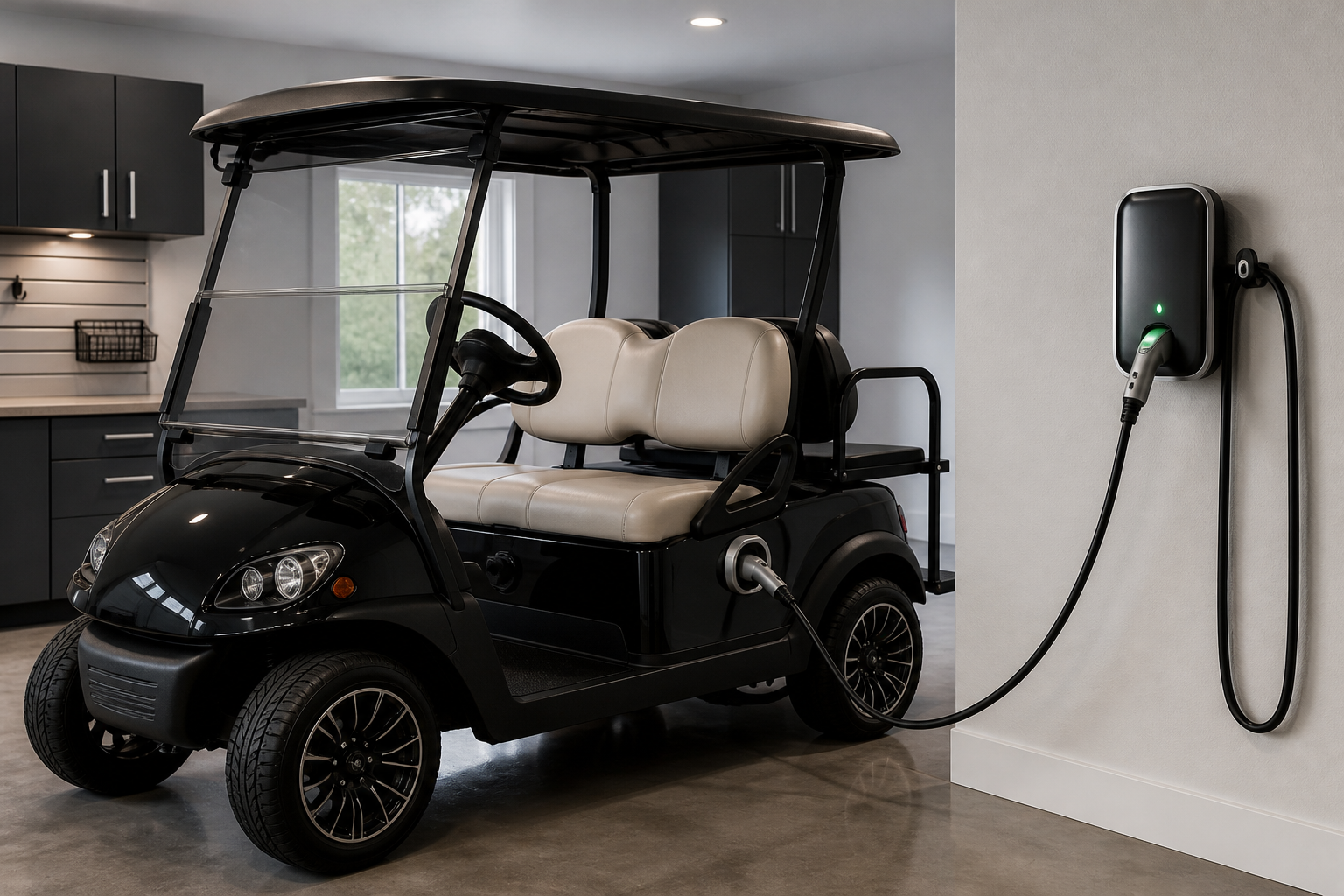
Electric Golf Cart Charging: 5 Amazing Essential Tips for Phoenix Owners
Mastering Electric Golf Cart Charging is an art that combines knowledge with consistent practice. For Phoenix owners, these five essential tips are designed to optimize your cart’s performance, extend its battery life, and ensure reliability, even under the demanding Arizona sun. Implement these strategies to keep your golf cart running efficiently for years to come.
Tip 1: Optimize Your Charging Schedule
For optimal battery life, you should charge your electric golf cart after every significant use, even if it’s not fully depleted. Regular, complete charges are better than frequent shallow charges or letting batteries sit discharged. Avoid overcharging by using an automatic charger that shuts off when full. The average Electric Golf Cart Charging time typically ranges from 8 to 12 hours for a full charge, depending on the battery’s state of discharge and age.
It’s generally best to charge overnight, allowing the batteries to cool down before use. Avoid interrupting the charging cycle, as this can stress the batteries. For lead-acid batteries, ensure they are fully charged at least once a week, even during periods of infrequent use, to prevent sulfation.
Tip 2: Selecting the Right Golf Cart Charger
Choosing the correct Electric Golf Cart Charging unit is crucial for battery health. For a 48V electric golf cart, an automatic ‘smart’ charger is best. These chargers monitor battery voltage and shut off automatically when fully charged, preventing overcharging. Look for chargers specifically designed for 48V systems with appropriate amperage (e.g., 15-20 amps for faster charging, or a lower amperage for a gentler charge).
The difference between an automatic and manual golf cart charger is significant. Manual chargers require you to monitor the charging process and disconnect them once complete, risking overcharging. Automatic chargers offer convenience and protection, making them the superior choice for modern golf cart owners. Always ensure your charger is compatible with your cart’s battery type (lead-acid vs. lithium-ion).
Tip 3: Safe Charging Practices
Adhering to safety guidelines for Electric Golf Cart Charging is non-negotiable. First, ensure the cart is off and parked safely in a well-ventilated area. Plug the charger into the golf cart’s charging port, then plug the charger’s AC cord into a standard wall outlet. The charger should typically have indicator lights to show it’s functioning correctly. Always follow your charger’s specific instructions.
Can you charge an electric golf cart indoors? Yes, but only in a well-ventilated area to dissipate any hydrogen gas produced by lead-acid batteries during charging. Avoid charging near open flames or sparks. Wear appropriate personal protective equipment, such as gloves and eye protection, especially when checking electrolyte levels in lead-acid batteries. Always keep the charging area clean and free of obstructions.
Tip 4: Troubleshooting Common Charging Problems
When your Electric Golf Cart Charging system falters, it can be frustrating. A common issue is the battery not holding a charge. This could be due to old or damaged batteries (worn-out cells), corroded terminals, low electrolyte levels (for lead-acid), a faulty charger, or issues with the cart’s charging port or wiring. Professional diagnosis from PHOENIX GOLF CAR SUPERSTORE can pinpoint the exact problem.
Signs of a faulty electric golf cart charger include the charger not turning on, indicator lights not functioning as expected, the charger getting excessively hot, the cart not charging after being plugged in for the appropriate time, or the charger making unusual noises. If you suspect a faulty charger, consult a professional for inspection and repair or replacement.
Why does your electric golf cart charger get hot? Some heat is normal, but excessive heat can indicate a problem with the charger or batteries.
Tip 5: Maintaining Your Charging System
Regular maintenance of your Electric Golf Cart Charging components is vital. Periodically inspect battery terminals for corrosion and clean them with a wire brush and a baking soda solution if necessary. Ensure all connections are tight. For lead-acid batteries, check electrolyte levels monthly and top off with distilled water as needed, always after charging.
Where can you buy replacement electric golf cart charging cables? Reputable golf cart dealers and specialized online stores are excellent sources. For professional electric golf cart charging system repair services, PHOENIX GOLF CAR SUPERSTORE offers expert assistance. They can also recommend the best brands for electric golf cart chargers, ensuring you get a reliable and efficient unit for your specific cart model.
Optimize Your Electric Golf Cart Charging with PHOENIX GOLF CAR SUPERSTORE
Our certified technicians offer expert repair, maintenance, and the latest charging solutions to ensure your golf cart runs flawlessly in Phoenix.
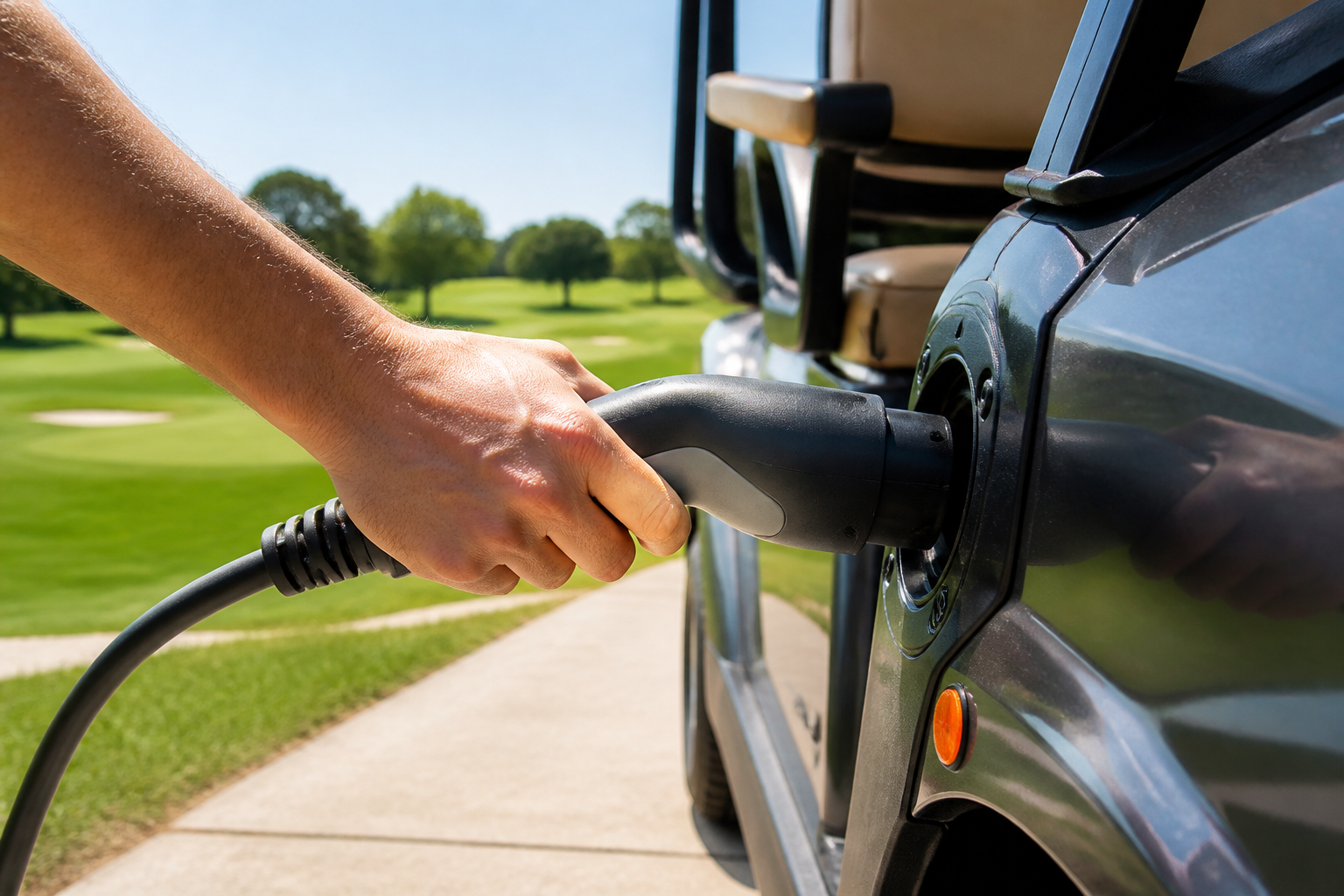
The Financial Aspect of Electric Golf Cart Charging
Understanding the cost of Electric Golf Cart Charging is important for budgeting. The cost to fully charge an electric golf cart depends on your local electricity rates and the battery capacity, but it’s generally very affordable. For a typical 48V cart with 6 x 8V batteries (around 170-200 amp-hours), a full charge might consume 8-12 kWh. At an average rate of $0.15/kWh, a full charge could cost between $1.20 to $1.80.
This makes electric golf carts an economical choice for local transportation compared to gasoline-powered alternatives. While the initial investment in batteries can be significant, proper charging and maintenance practices, as discussed, will maximize their lifespan, providing excellent long-term value. For more details on battery care, consult a guide on deep cycle battery maintenance.
For expert assistance with your Electric Golf Cart Charging system, including diagnostics, repairs, and upgrades to the latest charging technology, visit Phoenix Golf Car Superstore. Our certified technicians are ready to ensure your cart performs optimally.
Frequently Asked Questions About Electric Golf Cart Charging
What is the average charging time for an electric golf cart?
The average electric golf cart charging time typically ranges from 8 to 12 hours for a full charge. This can vary based on the battery’s state of discharge, its age, and the specific charger model. It’s best to charge overnight after each significant use.
How often should I charge my electric golf cart for optimal battery life?
For optimal battery life, you should charge your electric golf cart after every round of golf or significant use, even if it’s not fully depleted. Regular, complete charges are better than frequent shallow charges or letting batteries sit discharged. Avoid overcharging by using an automatic charger.
What type of charger is best for a 48V electric golf cart?
For a 48V electric golf cart, an automatic ‘smart’ charger is best. These chargers monitor battery voltage and shut off automatically when fully charged, preventing overcharging. Look for chargers specifically designed for 48V systems with appropriate amperage (e.g., 15-20 amps for faster charging, or a lower amperage for a gentler charge).
Why is my electric golf cart battery not holding a charge?
An electric golf cart battery not holding a charge could be due to several reasons: old or damaged batteries (worn out cells), corroded terminals, low electrolyte levels (for lead-acid), a faulty charger, or issues with the cart’s charging port or wiring. Professional diagnosis from PHOENIX GOLF CAR SUPERSTORE can pinpoint the exact problem.
How do I properly connect an electric golf cart charger?
To properly connect an electric golf cart charger, first ensure the cart is off and parked safely. Plug the charger into the golf cart’s charging port, then plug the charger’s AC cord into a standard wall outlet. The charger should typically have indicator lights to show it’s functioning correctly. Always follow your charger’s specific instructions.
What are the signs of a faulty electric golf cart charger?
Signs of a faulty electric golf cart charger include the charger not turning on, indicator lights not functioning as expected, the charger getting excessively hot, the cart not charging after being plugged in for the appropriate time, or the charger making unusual noises. If you suspect a faulty charger, consult a professional for inspection and repair or replacement.
How much electricity does it cost to fully charge an electric golf cart?
The cost to fully charge an electric golf cart depends on your local electricity rates and the battery capacity, but it’s generally very affordable. For a typical 48V cart with 6 x 8V batteries (around 170-200 amp-hours), a full charge might consume 8-12 kWh. At an average rate of $0.15/kWh, a full charge could cost between $1.20 to $1.80.
Conclusion: Master Your Electric Golf Cart Charging for Longevity
Mastering Electric Golf Cart Charging is more than just a routine task; it is a fundamental aspect of responsible golf cart ownership, particularly in the challenging climate of Phoenix. By diligently applying the five essential tips discussed—optimizing your charging schedule, selecting the right charger, practicing safe charging, troubleshooting common issues, and maintaining your system—you empower yourself to preserve your cart’s performance and extend its operational life.
These practices not only ensure your golf cart is always ready for your next adventure but also protect your investment by preventing premature battery degradation. Consistent, informed Electric Golf Cart Charging habits are the cornerstone of a reliable and long-lasting electric golf cart experience. Embrace these strategies, and enjoy worry-free rides for years to come.