
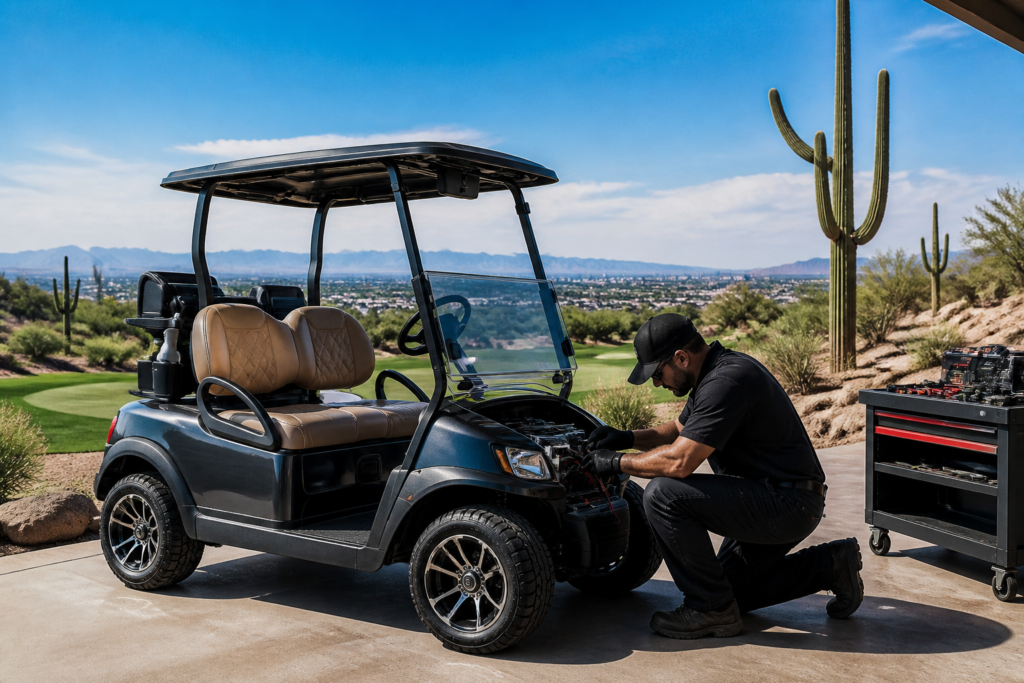
Golf Cart Troubleshooting Phoenix is an essential skill for any golf cart owner navigating the unique challenges of the Arizona desert. The intense heat, dust, and frequent use can take a toll on these vehicles, leading to common issues that require prompt attention. Whether you rely on your golf cart for a quick trip around the neighborhood, a round on the green, or daily community transportation, understanding how to diagnose and address problems can save you time, money, and frustration.
This comprehensive guide will equip you with the knowledge to identify the most frequent golf cart malfunctions in the Phoenix area. We’ll walk you through practical troubleshooting steps for common issues like starting failures, power loss, and stalling. By understanding these fixes, you can often resolve minor problems yourself or, at the very least, provide accurate information to a professional, ensuring your golf cart remains a reliable mode of transport.
Key Takeaways
- Learn to identify the 5 most common golf cart problems exacerbated by Phoenix’s climate, including battery, motor, and steering issues.
- Discover step-by-step Golf Cart Troubleshooting Phoenix techniques for a cart that won’t start, loses power, or stalls.
- Understand when to perform DIY fixes and when to seek professional golf cart repair services in Phoenix.
- Gain insights into the typical costs associated with golf cart diagnostics and repairs in the local area.
- Find out how regular maintenance and proactive checks can prevent major golf cart issues and extend your vehicle’s lifespan.
Golf Cart Troubleshooting Phoenix: Your Ultimate Guide to Fixing 5 Common Issues
Understanding Common Golf Cart Problems in Phoenix
The desert environment of Phoenix presents unique challenges for golf cart owners. High temperatures, dust, and consistent sun exposure can accelerate wear and tear on various components. Recognizing these common issues is the first step in effective Golf Cart Troubleshooting Phoenix and ensuring your vehicle’s longevity and performance.
Battery Issues: A Top Concern for Golf Cart Troubleshooting Phoenix
Batteries are the heart of electric golf carts and a frequent source of problems for both electric and gas models. In Phoenix’s extreme heat, batteries can degrade faster, leading to reduced range and power. Common issues include rapid draining, failure to hold a charge, or corroded terminals. For gas carts, a weak starter battery can prevent the engine from turning over.
Motor & Electrical System Failures in Phoenix Golf Carts
Overheating motors, especially in electric carts, are a significant concern during the summer months. This can lead to power loss or complete shutdown. Beyond the motor, electrical system failures, such as faulty controllers, solenoids, or wiring, can cause intermittent operation or prevent the cart from starting altogether. These issues often require careful Golf Cart Troubleshooting Phoenix.
Steering & Suspension Challenges for Golf Cart Troubleshooting Phoenix
Rough terrain or prolonged use can lead to wear in steering and suspension components. Owners might experience loose steering, excessive play, or a bumpy ride. Issues like worn tie rods, ball joints, or shock absorbers not only affect comfort but also compromise safety. Addressing these promptly is crucial for effective Golf Cart Troubleshooting Phoenix.
Fuel System & Starting Problems in Gas Golf Carts
Gas golf carts have their own set of common problems, often related to the fuel system. Clogged fuel filters, dirty carburetors, or issues with the fuel pump can lead to stalling, poor performance, or difficulty starting. Spark plug problems are also a frequent culprit, preventing proper ignition. Regular checks of these components are vital for reliable operation.
Tire degradation is another common problem in Phoenix. The hot asphalt and uneven surfaces can cause tires to wear down quickly or develop dry rot. Regular inspection and proper inflation are key to preventing flats and maintaining a smooth ride. Ignoring these can lead to more complex Golf Cart Troubleshooting Phoenix later.
Step-by-Step Golf Cart Troubleshooting Phoenix: What to Check First
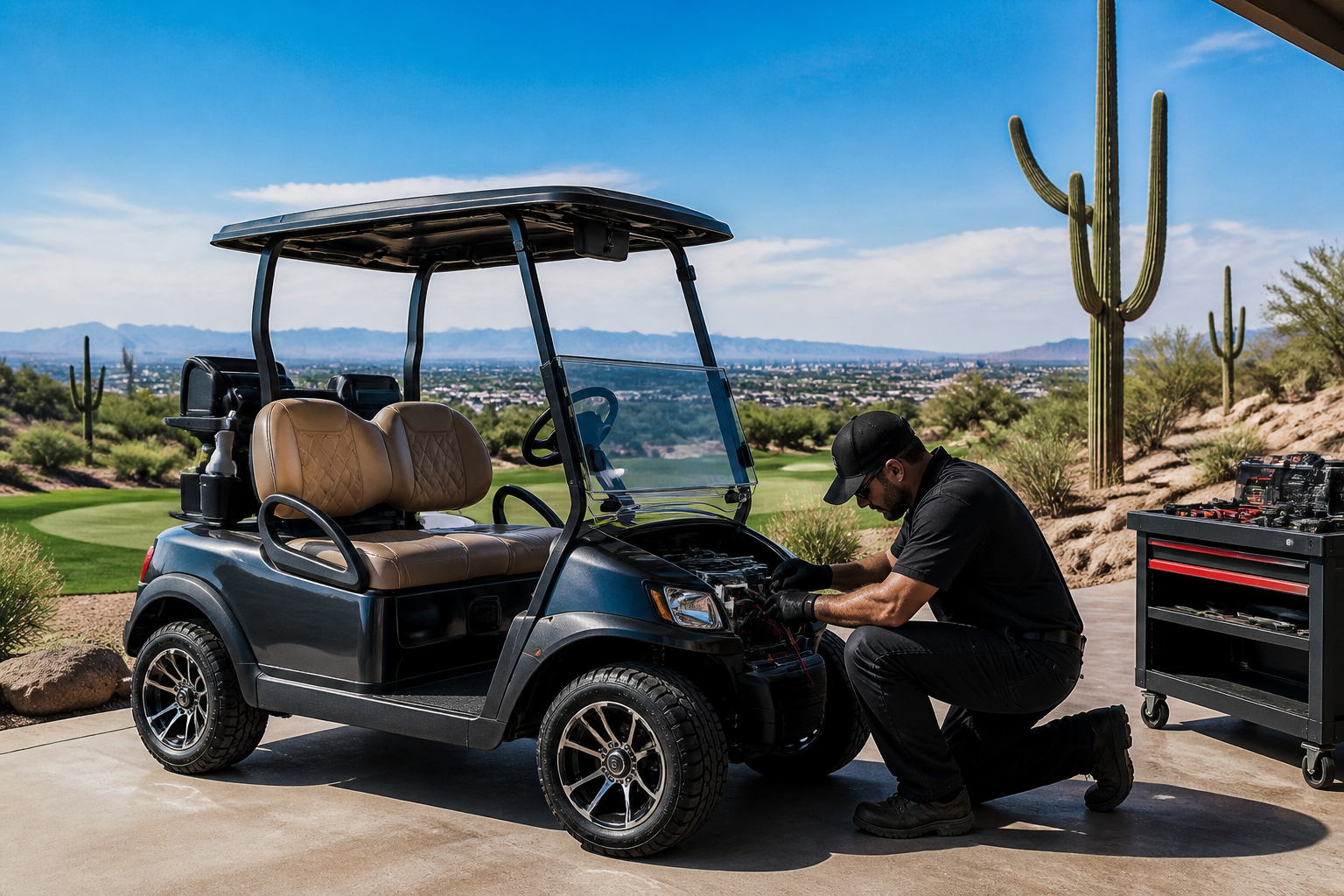
When your golf cart acts up, a systematic approach to Golf Cart Troubleshooting Phoenix can help you pinpoint the problem. Before calling a professional, there are several basic checks you can perform.
When Your Golf Cart Won’t Start: Initial Checks in Phoenix
If your golf cart won’t start, begin by checking the battery. For electric carts, ensure the batteries are fully charged and the terminals are clean and tight. Verify that the tow/run switch is in the ‘run’ position. For gas carts, check the fuel level, ensure the choke is set correctly, and inspect the spark plug for fouling or damage.
Listen for a click from the solenoid when you try to start it; a lack of click could indicate a faulty solenoid or battery issue. This is a primary step in Golf Cart Troubleshooting Phoenix.
Addressing Rapid Power Loss in Electric Golf Carts
Rapid power loss in an electric golf cart often points to battery issues. Test each battery individually with a voltmeter to identify any weak cells. Check all battery cable connections for corrosion or looseness. A faulty charger or controller can also cause power problems. Ensure your charger is working correctly and providing adequate voltage. Overheating can also cause power reduction; allow the motor to cool if it feels excessively hot.
Effective Golf Cart Troubleshooting Phoenix in this area focuses heavily on the power source.
Diagnosing Stalling Issues in Gas Golf Carts
If your gas golf cart keeps stalling, especially in Phoenix traffic, start with the fuel system. Check the fuel filter for clogs and replace it if necessary. Inspect the carburetor for dirt or blockages; a professional cleaning might be needed. Verify that the fuel pump is functioning and delivering fuel to the engine. A worn or faulty spark plug can also cause stalling, so inspect it for wear and proper gap.
Sometimes, an improperly adjusted choke can also contribute to stalling. These are key areas for Golf Cart Troubleshooting Phoenix.
For steering problems, visually inspect the tie rods, ball joints, and steering gearbox for any visible damage or looseness. Wobbly steering often indicates loose components, while stiff steering might need lubrication or replacement of worn bushings. Always ensure tire pressure is correct, as uneven pressure can affect steering stability. For more detailed technical specifications on golf cart battery care, check out this comprehensive guide on battery maintenance from a trusted source.
Expert Golf Cart Troubleshooting Phoenix by PHOENIX GOLF CAR SUPERSTORE
Don’t let golf cart issues disrupt your day. Our certified technicians provide unparalleled diagnostic and repair services, ensuring your cart performs reliably in the unique Phoenix climate.
Expert Golf Cart Troubleshooting Phoenix Services
While some issues can be resolved with DIY efforts, many golf cart problems require professional expertise. Knowing when and where to seek help is crucial for effective Golf Cart Troubleshooting Phoenix.
Finding Reputable Golf Cart Repair Services in Phoenix
When searching for golf cart repair services in Phoenix, look for providers with certified technicians, positive customer reviews, and a strong reputation for reliability. A reputable shop will offer transparent pricing, provide detailed diagnostics, and use quality replacement parts. Ask about their experience with both electric and gas models and their understanding of the unique demands of the Phoenix climate. PHOENIX GOLF CAR SUPERSTORE is a prime example of a trusted local provider.
Mobile Golf Cart Repair and Diagnostics in Phoenix
For convenience, many golf cart owners in Phoenix opt for mobile repair services. These services bring the diagnostic and repair expertise directly to your location, whether at home, on the golf course, or at your business. This minimizes downtime and eliminates the need to transport a non-functional cart. Mobile Golf Cart Troubleshooting Phoenix is particularly useful for emergency repairs or routine maintenance that can be performed on-site.
Cost of Golf Cart Troubleshooting Phoenix and Repairs
The cost of golf cart troubleshooting and repair in Phoenix can vary significantly based on the complexity of the issue and the parts required. Basic diagnostic fees might range from $75 to $150. Minor repairs, such as spark plug replacement or battery terminal cleaning, could be relatively inexpensive. However, major repairs like battery bank replacement, motor overhaul, or controller replacement can range from $500 to over $2000. Always get a detailed quote before authorizing any work.
Experiencing persistent issues? Don’t let golf cart troubles slow you down in Phoenix! Contact our expert Golf Cart Troubleshooting Phoenix team today for reliable service and repairs!
Proactive Maintenance and DIY Golf Cart Troubleshooting Phoenix
Prevention is always better than cure, especially when it comes to golf cart maintenance in the harsh Phoenix environment. Regular checks and a proactive approach can significantly reduce the need for extensive Golf Cart Troubleshooting Phoenix.
Essential Service Schedule for Phoenix’s Climate
Due to Phoenix’s extreme heat, it’s recommended to have your golf cart professionally serviced at least once or twice a year, or every 125 operating hours. This includes checking battery water levels, tire pressure, brake fluid, and general wear and tear. Regular professional service is key for effective Golf Cart Troubleshooting Phoenix and proactive maintenance. More frequent battery and tire checks are advisable for optimal performance and safety.
Sourcing Golf Cart Replacement Parts in Phoenix
For DIY repairs, knowing where to buy golf cart replacement parts in Phoenix is essential. Specialized golf cart dealers, like PHOENIX GOLF CAR SUPERSTORE, often stock a wide range of parts for various makes and models. Online retailers are also an option, but ensure compatibility with your specific cart. Having access to quality parts can make your Golf Cart Troubleshooting Phoenix efforts more successful.
When to Call a Professional for Golf Cart Troubleshooting Phoenix
While DIY troubleshooting can resolve many minor issues, there are times when professional intervention is necessary. If you’re dealing with complex electrical problems, motor failures, significant steering or suspension issues, or if you’re uncomfortable performing a repair, it’s best to call a professional. Attempting repairs beyond your skill level can lead to further damage or safety risks. Expert Golf Cart Troubleshooting Phoenix ensures the job is done correctly and safely.
Your Ultimate Resource for Golf Cart Troubleshooting Phoenix
Navigating the common issues that can plague golf carts in Phoenix doesn’t have to be a frustrating experience. By understanding the typical problems, knowing how to perform initial diagnostic checks, and recognizing when to call in the experts, you can ensure your golf cart remains a dependable part of your daily life. Regular maintenance, coupled with a proactive approach to Golf Cart Troubleshooting Phoenix, will extend your cart’s lifespan and keep you cruising smoothly.
Remember, the unique climate of Phoenix demands diligent care for your golf cart. Don’t let a minor issue escalate into a major repair. With the right knowledge and a trusted local service provider, you can tackle any golf cart challenge with confidence. For complex issues or routine maintenance, always consider reaching out to certified professionals who understand the specific needs of golf carts in the desert environment.
Frequently Asked Questions About Golf Cart Troubleshooting Phoenix
What are the most common golf cart problems in Phoenix?
In Phoenix, common golf cart issues include rapid battery drain due to heat, tire degradation, starting problems, motor overheating, and electrical system failures, all exacerbated by the extreme desert climate.
How do I troubleshoot a golf cart that won’t start?
First, check the battery charge and connections. For electric carts, ensure the tow/run switch is on. For gas carts, verify fuel levels and spark plug condition. Listen for solenoid clicks or starter motor engagement.
Why is my electric golf cart losing power quickly?
Rapid power loss often indicates failing batteries, corroded terminals, a faulty charger, or issues with the motor or controller. Hot Phoenix weather significantly impacts battery performance and lifespan.
What causes golf cart batteries to drain fast in hot weather like Phoenix?
High temperatures accelerate the chemical reactions within batteries, causing them to self-discharge faster and reducing their overall lifespan. Overcharging in hot conditions can also lead to premature battery failure.
Who offers mobile golf cart repair and diagnostics in Phoenix?
PHOENIX GOLF CAR SUPERSTORE offers convenient mobile golf cart repair and diagnostic services right to your location in Phoenix, ensuring minimal downtime for your cart.
How much does it typically cost for golf cart troubleshooting and repair in Phoenix?
Costs vary based on the issue, parts needed, and labor. Basic diagnostics might start around $75-$150, while major repairs like battery replacement or motor work can range from $500 to over $2000. It’s best to get a specific quote.
How often should golf carts be serviced to prevent issues in Phoenix’s climate?
Due to Phoenix’s extreme heat, it’s recommended to have your golf cart professionally serviced at least once or twice a year, with more frequent battery and tire checks.
Where can I buy golf cart replacement parts for DIY troubleshooting in Phoenix?
You can find golf cart replacement parts at specialized dealers like PHOENIX GOLF CAR SUPERSTORE or online retailers. Ensure parts are compatible with your specific cart model.
Why does my gas golf cart keep stalling in Phoenix traffic?
Stalling in a gas golf cart can be due to a clogged fuel filter, dirty carburetor, faulty spark plug, issues with the fuel pump, or an improperly adjusted choke, all of which can be more pronounced in hot conditions.
How to identify and fix common steering problems on a golf cart?
Common steering issues include loose tie rods, worn ball joints, or a failing steering gearbox. Wobbly steering often points to loose components, while stiff steering might indicate lubrication needs or worn bushings. Professional inspection is recommended.