
Electric vs Gas Golf Cart: 8 Amazing Differences Unlocked
Deciding between an Electric vs Gas Golf Cart for your Phoenix lifestyle can feel like a significant choice, impacting everything from your daily commute to your weekend leisure. This comprehensive guide is designed to clarify those distinctions, revealing 8 remarkable differences that Phoenix buyers need to consider. We will delve into performance, cost, maintenance, and environmental factors, ensuring you make an informed decision that perfectly suits your needs and the unique demands of the Arizona climate.
Whether you are navigating the greens, cruising through a master-planned community, or managing a large property, understanding the nuances of an Electric vs Gas Golf Cart is paramount. Our goal is to equip you with the knowledge to choose a vehicle that offers not just convenience, but also long-term satisfaction and efficiency. Let’s explore the surprising truths that will unlock your ultimate golf cart buying experience.
Key Takeaways
- Understand the primary performance distinctions, from instant torque to top speed, when comparing an Electric vs Gas Golf Cart.
- Discover the true cost of ownership, including initial purchase, fuel/electricity, and maintenance expenses for both types of golf carts.
- Learn how environmental impact and community regulations might influence your choice of an Electric vs Gas Golf Cart in Phoenix.
- Explore customization options and practical considerations that make one type of golf cart more suitable for specific uses in the Arizona desert.
Electric vs Gas Golf Cart: Performance and Power Dynamics
When evaluating an Electric vs Gas Golf Cart, performance is often the first consideration for buyers. Each type offers distinct advantages in terms of acceleration, speed, and overall power delivery. Understanding these differences is crucial for matching the cart to your intended use, especially in the varied terrains and expansive communities found across Phoenix.
Electric golf carts are renowned for their smooth, quiet operation and instant torque. This means they accelerate quickly and seamlessly, making them ideal for golf courses and residential areas where noise reduction is appreciated. Gas golf carts, conversely, typically offer higher top speeds and a more robust feel, often preferred for larger properties or utility tasks.
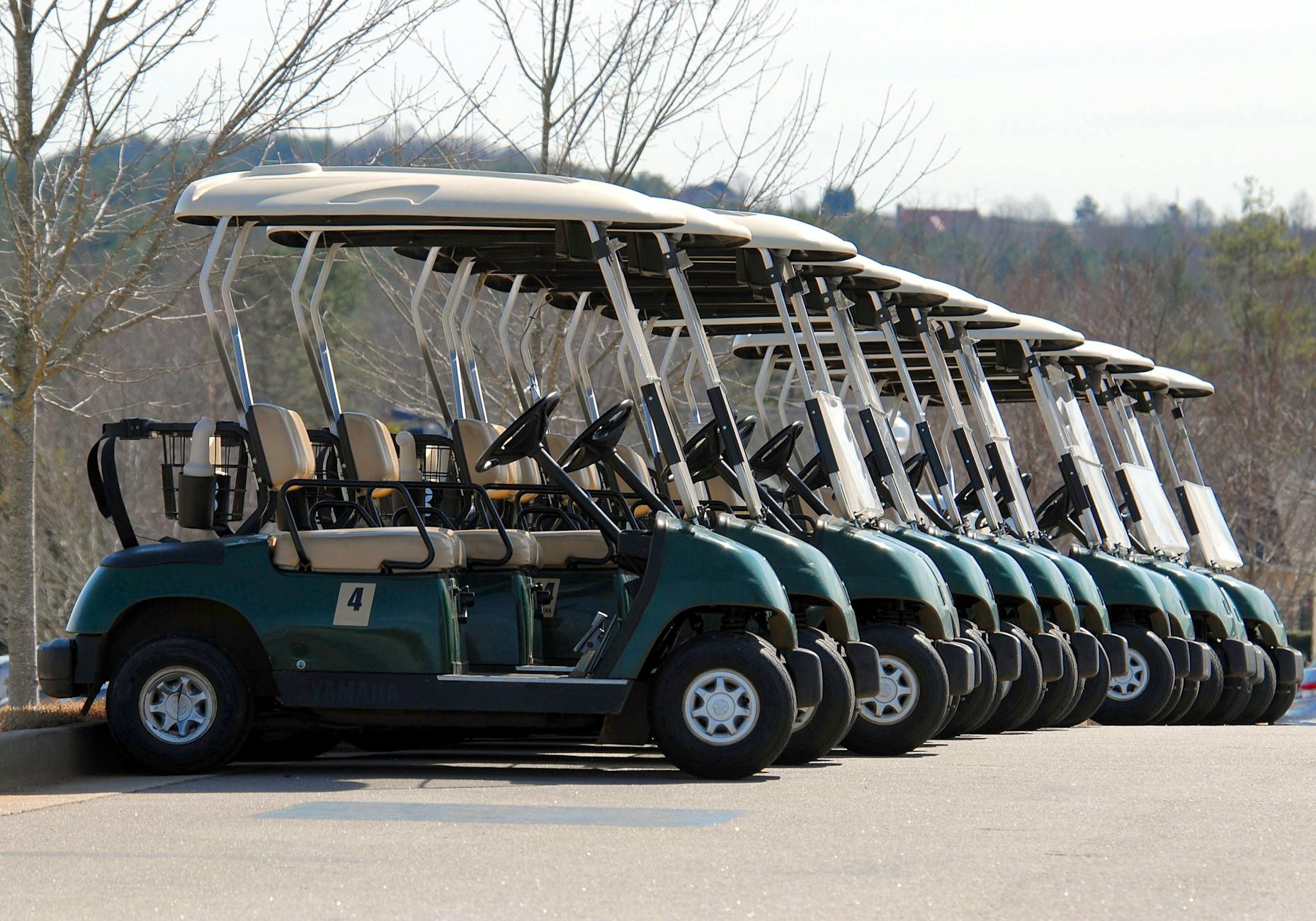
Instant Torque vs. Raw Horsepower for Electric vs Gas Golf Cart
Electric golf carts provide immediate power delivery, thanks to their electric motors. This instant torque allows for quick acceleration from a standstill, which can be particularly advantageous on a golf course or when navigating stop-and-go traffic in a community. The power delivery is consistent and doesn’t require shifting gears, offering a very smooth ride.
Gas golf carts, powered by internal combustion engines, generate horsepower that often translates to higher top speeds and sustained power output over longer distances. While they might not have the same instant
Considering an Electric vs Gas Golf Cart for Your Needs?
PHOENIX GOLF CAR SUPERSTORE offers an unparalleled selection of both electric and gas models, backed by expert advice to help you make the best choice for Phoenix living.
What are the primary differences in performance between electric and gas golf carts?
Electric golf carts offer instant torque for smooth acceleration and quiet operation, ideal for neighborhoods and golf courses. Gas golf carts typically provide higher top speeds and extended range with quick refueling, often preferred for larger properties or utility tasks requiring sustained power.
Which type of golf cart, electric or gas, is more cost-effective for long-term ownership?
While the upfront cost of electric golf carts can sometimes be higher due to battery expenses, their long-term operational costs are generally lower. Electricity is cheaper than gasoline, and electric models require less frequent and less complex maintenance compared to their gas counterparts.
Are electric golf carts as powerful as gas golf carts for climbing steep hills?
Modern electric golf carts, especially those with advanced battery technology and powerful motors, can be surprisingly capable on hills. They deliver consistent torque. While older models might struggle, many new electric golf carts match or even exceed the hill-climbing ability of gas models for typical use.
What are the typical maintenance requirements for electric versus gas golf carts?
Electric golf carts primarily require battery maintenance (checking water levels, cleaning terminals, proper charging), tire pressure checks, and occasional brake servicing. Gas golf carts need more extensive maintenance, including oil changes, spark plug replacement, fuel filter checks, and air filter cleaning, similar to a small car engine.
How does the purchase price of a new electric golf cart compare to a new gas golf cart?
The purchase price can vary significantly based on brand, features, and model. Generally, new electric golf carts might have a slightly higher initial cost, largely due to battery technology. However, advancements are making them increasingly competitive, and sales promotions can balance the scales.
What is the average range of an electric golf cart on a full charge versus a gas golf cart on a full tank?
An average electric golf cart can travel 25-40 miles on a full charge, depending on battery type, terrain, and usage. Gas golf carts typically offer a longer range, often 100-150 miles on a full tank, making them suitable for extended use without needing to refuel frequently.
Why would someone choose an electric golf cart over a gas model for neighborhood use?
Electric golf carts are preferred for neighborhood use due to their quiet operation, zero emissions, and smoother, quieter ride. They are less disruptive to neighbors and the environment, and charging at home is often more convenient than frequent trips to a gas station.
Do gas golf carts generally have a better resale value than electric golf carts?
Historically, gas golf carts have sometimes held their resale value slightly better due to simpler, less variable powertrain components. However, with the increasing demand and technological advancements in electric carts, well-maintained electric models with healthy batteries are seeing strong and growing resale values, especially in eco-conscious markets.
How much quieter are electric golf carts compared to their gas-powered counterparts?
Electric golf carts are significantly quieter, often emitting just a low hum or no sound at all, especially at lower speeds. Gas golf carts produce engine noise, exhaust sounds, and vibrations, which can be quite noticeable, especially in quiet residential areas or on a serene golf course.
Are there any golf courses or communities that restrict gas golf carts?
Yes, an increasing number of exclusive golf courses, luxury resorts, and master-planned communities are implementing restrictions or outright bans on gas golf carts due to noise pollution and environmental concerns. They often encourage or mandate the use of electric models to maintain a tranquil atmosphere and reduce their carbon footprint.
Learn more from authoritative resources: Consumer Reports and HGTV.